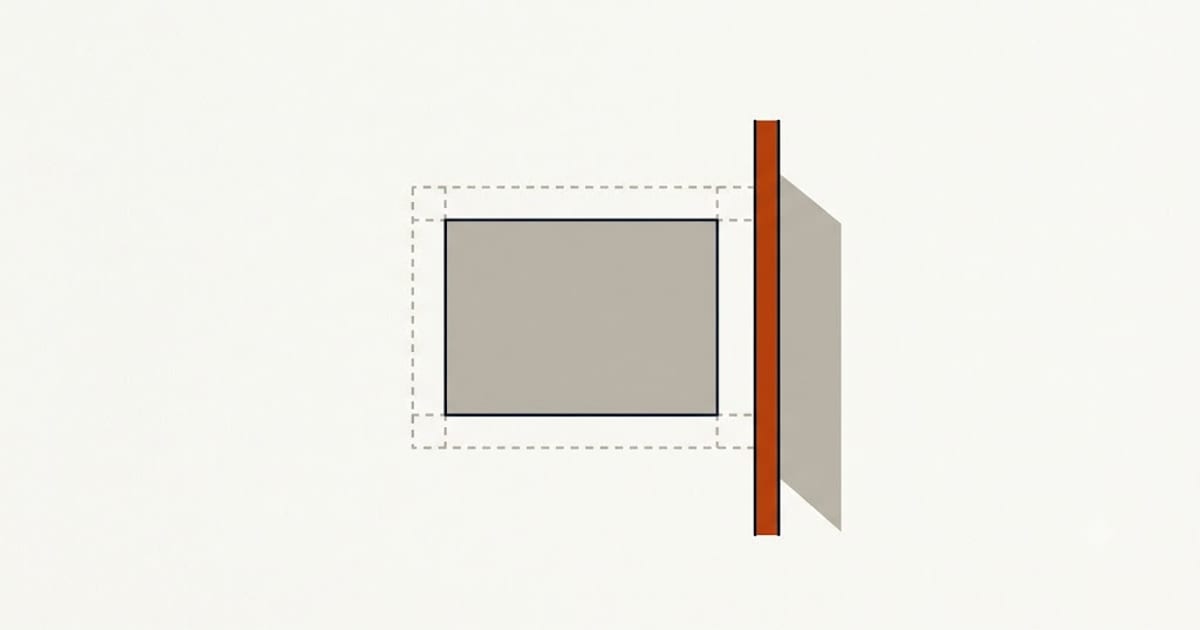
A generator's location is set by the manufacturer's listing, by the fuel connection, by the electrical run, and by the neighbours.
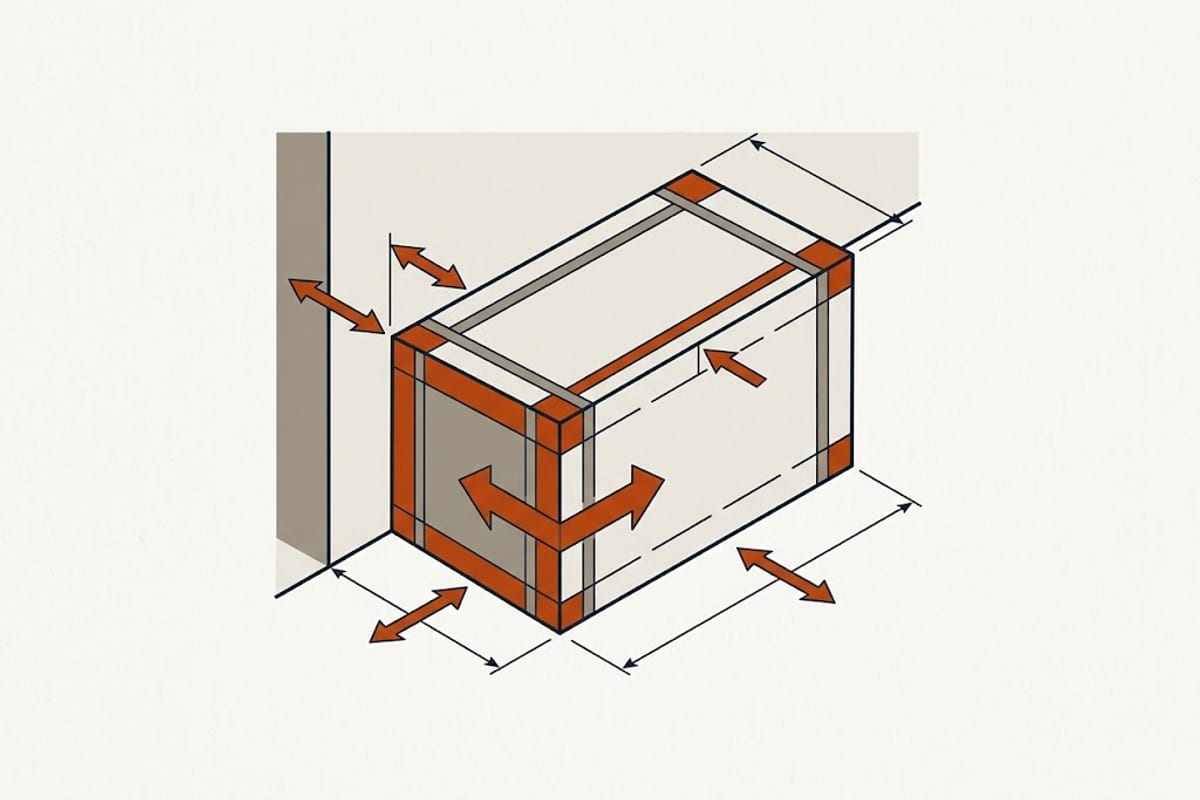
Standby generator clearances
The manufacturer's installation manual is the authority, and the figures follow a consistent pattern:
From the building wall — a minimum distance, which for many air-cooled units listed for close installation is around 18 inches, and for others considerably more.
From openings — windows, doors, and any air intake or fresh air inlet. This distance is larger, commonly five feet, and it is about exhaust rather than heat.
From combustible material, including shrubs and fencing.
Above grade, on a composite or concrete pad, clear of expected snow and of standing water.
Clear space for service access on the panel side.
Not under a deck or an overhang, and not in an enclosure that was not designed for it.
The units listed for closer installation achieve it through the way they direct exhaust and cooling air, which is why the manual's number and not a general rule is the one to use.
Portable generators and carbon monoxide
This is the part that kills people, and it does so every storm season.
Never run a portable generator indoors, and that includes a garage with the door open, a basement, a crawl space, a shed, a porch, or a breezeway.
Twenty feet from the house is the common guidance, with the exhaust directed away from it, and away from windows, doors and vents — including a neighbour's.
Carbon monoxide is odourless and it accumulates. An attached garage with the door open is not ventilation; the house is on the other side of a door that does not seal.
Working CO alarms on every level of the house are the layer that catches what the placement rules miss, and any household with a portable generator should confirm they work before the season rather than during an outage.
Many current portable generators include a CO shutoff sensor. It is a genuine improvement and it is not a reason to move the generator closer.
Noise
Air-cooled standby generators are audible, and they run a weekly exercise cycle as well as during outages.
Consider bedroom windows — your own and the neighbours' — and the property line. Some jurisdictions set a boundary noise limit, and some homeowners' associations set their own rules on placement and screening.
Liquid-cooled units and sound-attenuated enclosures are quieter and cost more.
The two connections
Fuel: the gas pipe from the meter or the propane tank, sized for the demand and the distance.
Electrical: the run to the transfer switch, sized for the current and for voltage drop.
Both get longer as the generator moves further from the house, and both cost money per foot. That is the practical tension with the clearance and noise considerations, and it is resolved on the day by walking the site.
Flood and snow
Above the flood line where that applies, and high enough that a heavy snow season does not bury the air intake and the exhaust.
In snow country the pad height is a genuine design decision rather than a formality, and it is the reason a unit installed at grade in a mild region would be wrong in a northern one.
Permits
Generator installations are permitted work — electrical, and usually gas as well — and inspected.
The utility is generally notified too, both for the gas load and because a generator is being connected to their service.
The pad
Air-cooled units are commonly set on a moulded composite pad supplied with the generator, on a bed of compacted gravel.
A poured concrete pad is an alternative, and it is required by some jurisdictions and by some larger units. Either way the pad must be level, stable, and drained so the unit is not sitting in water after a storm.