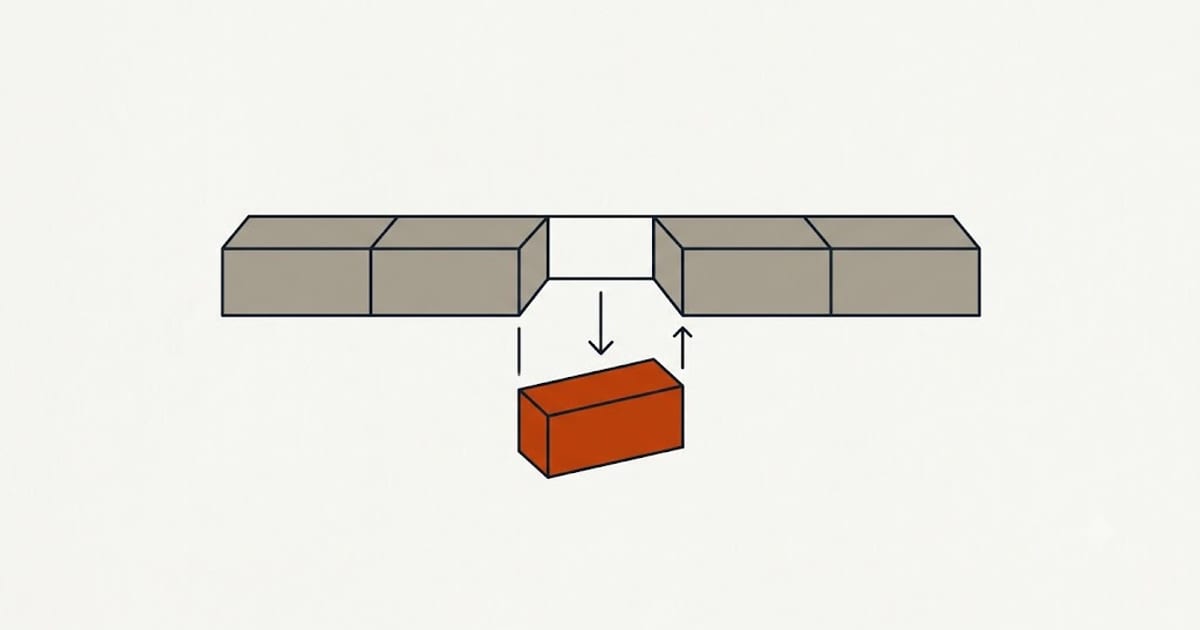
Whole-house backup used to mean a generator sized for the whole house. Load management changed that, and it is now the standard way a moderate generator covers a large house.
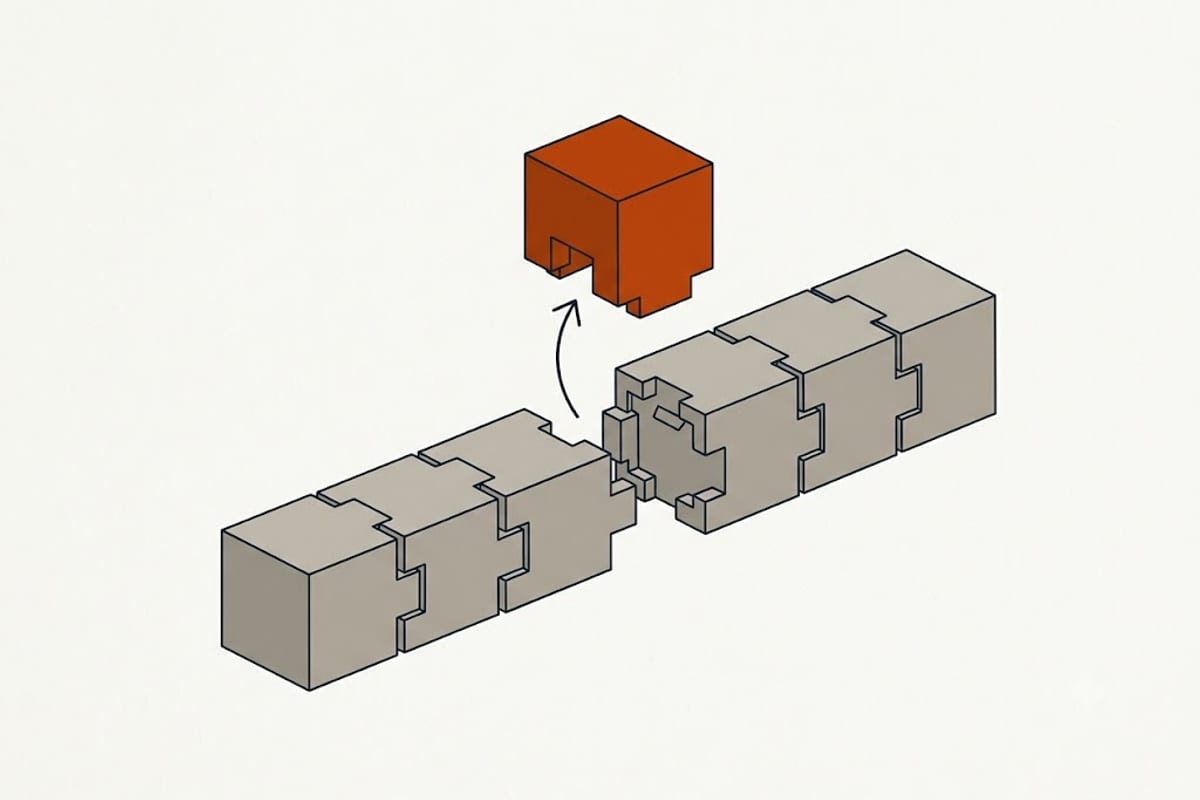
How it works
A shedding module is installed on a specific large load — most often air conditioning, sometimes an electric water heater or a range.
The generator's controller monitors its own output. As it approaches its limit, it signals the module to drop that load. When capacity frees up, the load is restored.
With two air conditioners, two modules can alternate them, giving both some run time rather than losing one entirely.
Which loads are good candidates
Air conditioning. The largest single load in most houses in summer, and a house tolerates the compressor being off for periods.
Electric water heater. A tank holds hot water for hours, so shedding it is almost invisible. This is the best candidate of all.
Electric range or oven, which is used intermittently.
Pool equipment, hot tubs and similar, which can be off for the duration of an outage without consequence.
Electric dryer, which can wait.
Which loads should never be shed
Heating in a cold climate.
Well pump and sump pump, which are exactly what a household needs during a storm.
Refrigeration.
Medical equipment, obviously and absolutely.
Soft starters
A different device solving an adjacent problem.
An air conditioning compressor's starting surge can be several times its running draw, and that surge is often what determines the generator size rather than the running load.
A soft start device reduces the surge substantially, frequently allowing a generator one or two sizes smaller to start the same compressor.
It costs a fraction of the generator size difference, and on a house whose sizing is driven by air conditioning it is the single highest-value component in the installation.
Where the two combine
A house with a 4-ton air conditioner, an electric water heater and a well pump might calculate as needing a large generator.
With a soft starter on the compressor and shedding modules on the air conditioning and the water heater, the same house runs comfortably on a mid-sized unit — and in normal operation the household notices nothing.
The design that makes it work
The priority order has to be set deliberately: which load is shed first, which second, and what is never shed.
That ordering is a conversation at design stage, and it is worth having explicitly rather than accepting a default, because the defaults do not know which room has the sick relative or where the sump pump is.
The limits
Shedding manages average demand. It cannot manufacture capacity for a genuine simultaneous peak of essential loads.
A house whose essential loads alone exceed the generator is undersized, and no amount of management fixes it. The load list is still the starting document.
What to ask for
The load list with running and starting watts. The shedding priority order. Whether a soft starter is included for each compressor. And what the generator's output is at the local altitude and expected ambient temperature, which is lower than the nameplate figure.
Smart panels as an alternative
A smart electrical panel with per-circuit switching does the same job in software and gives visibility as well: which circuits are on, what each is drawing, and which to drop.
It costs considerably more than a pair of shedding modules and it replaces the panel, which makes it attractive when the panel is being replaced anyway and hard to justify when it is not.
It also gives the household manual control during an outage, which shedding modules do not.
Testing it
The shedding arrangement should be tested at commissioning: run the generator, turn on the loads, and confirm that the module drops what it should and restores it afterwards.
That test is the only way to know the priority order is what was intended, and it takes fifteen minutes at the end of an installation that has already taken a day.