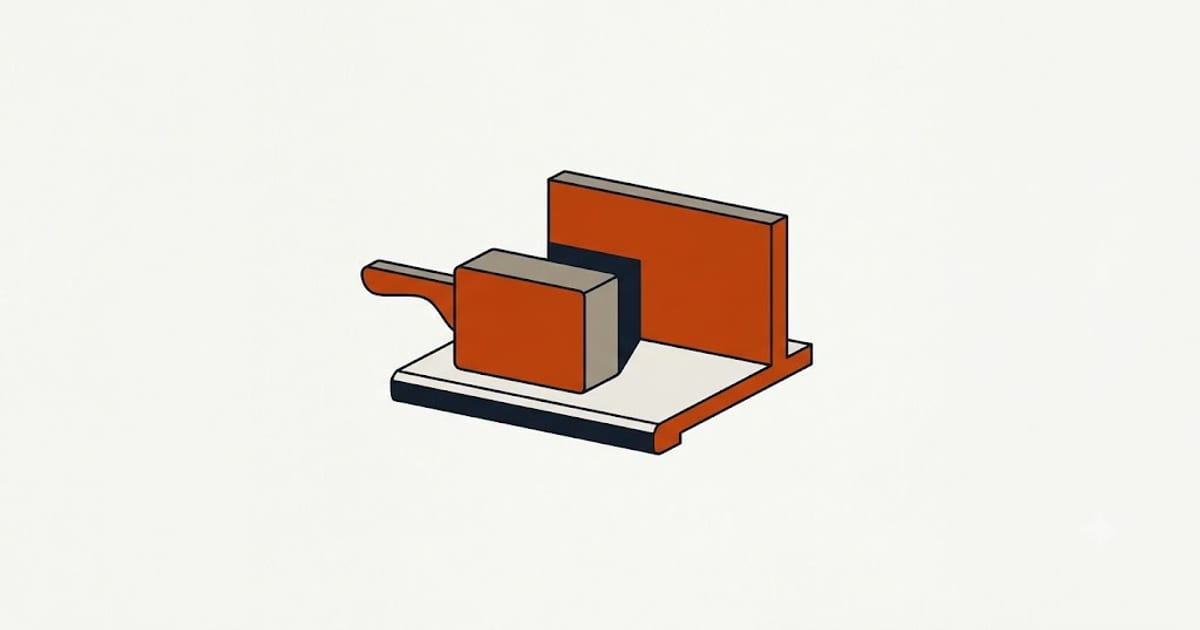
The two approaches to home backup differ in cost by a large multiple, and the difference in what they deliver is not primarily about power.
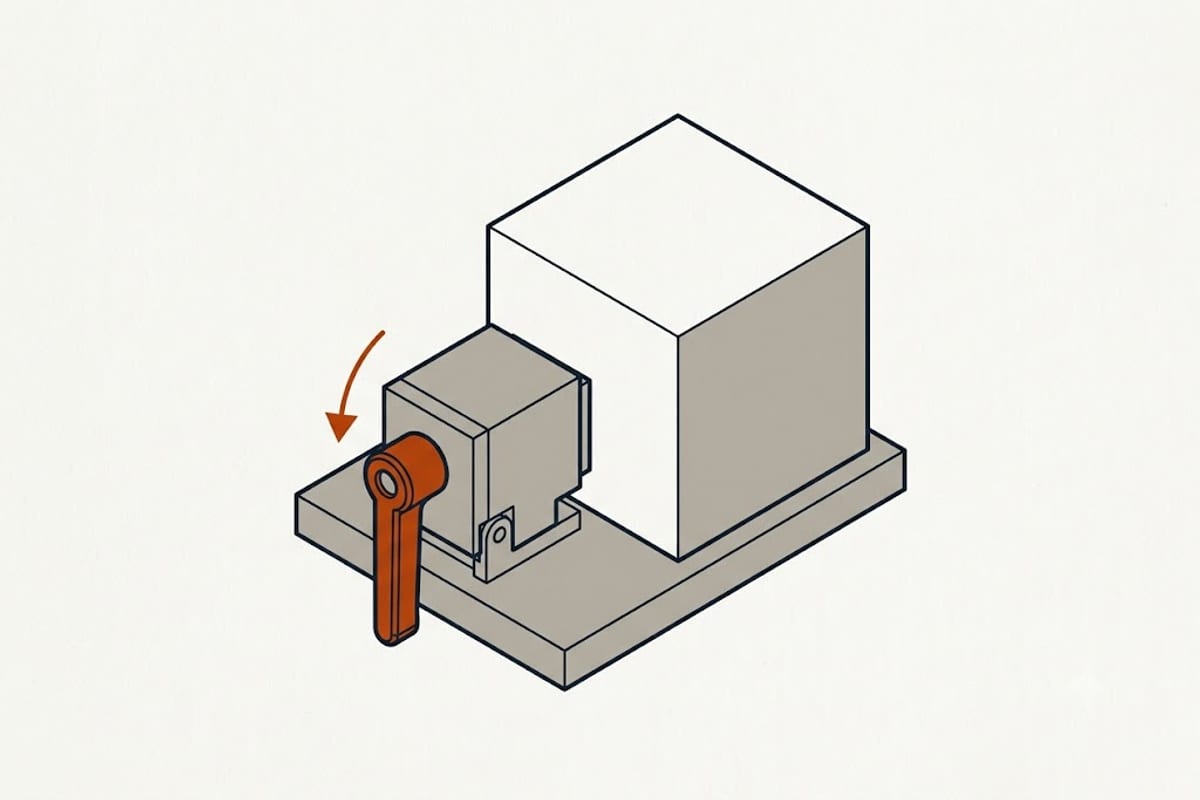
Portable
An engine-driven generator, typically 3 to 10 kW, wheeled out and started by hand, connected through a manual transfer switch or a panel interlock and an exterior inlet.
Advantages: a fraction of the cost, no permanent installation beyond the inlet and transfer arrangement, and it can be taken elsewhere.
Requirements: somebody present to set it up and start it, fuel stored on site and rotated, and the discipline to manage the load manually.
Fuel: usually petrol, which degrades in storage and must be treated and rotated; propane models avoid that and are limited by cylinder size; dual-fuel models do both.
Standby
A permanently installed unit on a pad, connected to natural gas or a propane tank, with an automatic transfer switch.
Advantages: starts itself within seconds of an outage, works with nobody home, runs indefinitely on natural gas, exercises itself weekly, and requires no fuel handling.
Requirements: a substantial installation cost, a gas supply capable of feeding it, a permit, and annual maintenance.
Which one the household actually needs
The question that decides it: what happens if an outage starts while nobody is home, or at three in the morning?
If the answer is "the sump pump stops and the basement floods", or "the freezer thaws", or "someone's medical equipment stops" — that is a standby installation, because a portable generator in a garage does nothing unattended.
If the answer is "the lights are off for a while and we manage" — a portable unit and a proper transfer arrangement covers it for far less money.
Frequency and duration matter
Frequent short outages favour a standby unit, because setting up a portable one for a two-hour outage is not something people keep doing.
Rare long outages are where a portable unit is at its best, since there is time and reason to deploy it.
Winter storms favour standby, because the portable version involves going outside in the conditions that caused the outage, repeatedly, to refuel.
The safety difference
Portable generators are responsible for carbon monoxide deaths every storm season, because they are placed too close to the house or in a garage.
They also invite backfeeding through a receptacle, which kills utility workers. Both are avoidable and both keep happening.
A standby installation removes both hazards structurally: the placement is fixed and inspected, and the transfer switch makes backfeeding impossible.
The middle path
An inlet box and an interlock kit on the panel, costing very little, turns a portable generator into a safe and reasonably convenient arrangement.
That is a legitimate destination in itself, and it is also the sensible first step for a household that expects to install a standby unit eventually — the panel work is done and the generator is a separate decision.
Running cost
A portable unit burns petrol at a rate that is significant over a multi-day outage, and the fuel has to be fetched during an event when stations may have no power.
A standby unit on natural gas has no fuel logistics at all, which over a long outage is the practical difference between the two rather than the electricity itself.
Inverter generators
A subcategory of portable unit that produces cleaner power electronically and varies engine speed with load.
They are quieter, more fuel-efficient at partial load, and safer for sensitive electronics. They also cost more per watt and are generally available in smaller sizes, which puts them in the camping and job-site range rather than the whole-house one.
For a household backing up a refrigerator, a furnace and some lighting, an inverter unit is a comfortable choice; for a well pump and an air conditioner it usually is not.
Batteries as a third option
Home battery storage covers short outages silently, with no fuel, no exhaust and no noise, and it starts instantly.
Its limitation is duration: a battery covers hours to a day of essential loads depending on size, not the multi-day event a generator handles. Paired with solar it extends considerably, and paired with a generator it covers the short outages so the engine only runs for the long ones.