An all-electric house is straightforward to back up until the coldest night, which is also the night the outage happens.
The two loads
The heat pump itself. A modern inverter unit draws modestly, starts gently, and modulates. It is one of the easier loads a generator handles.
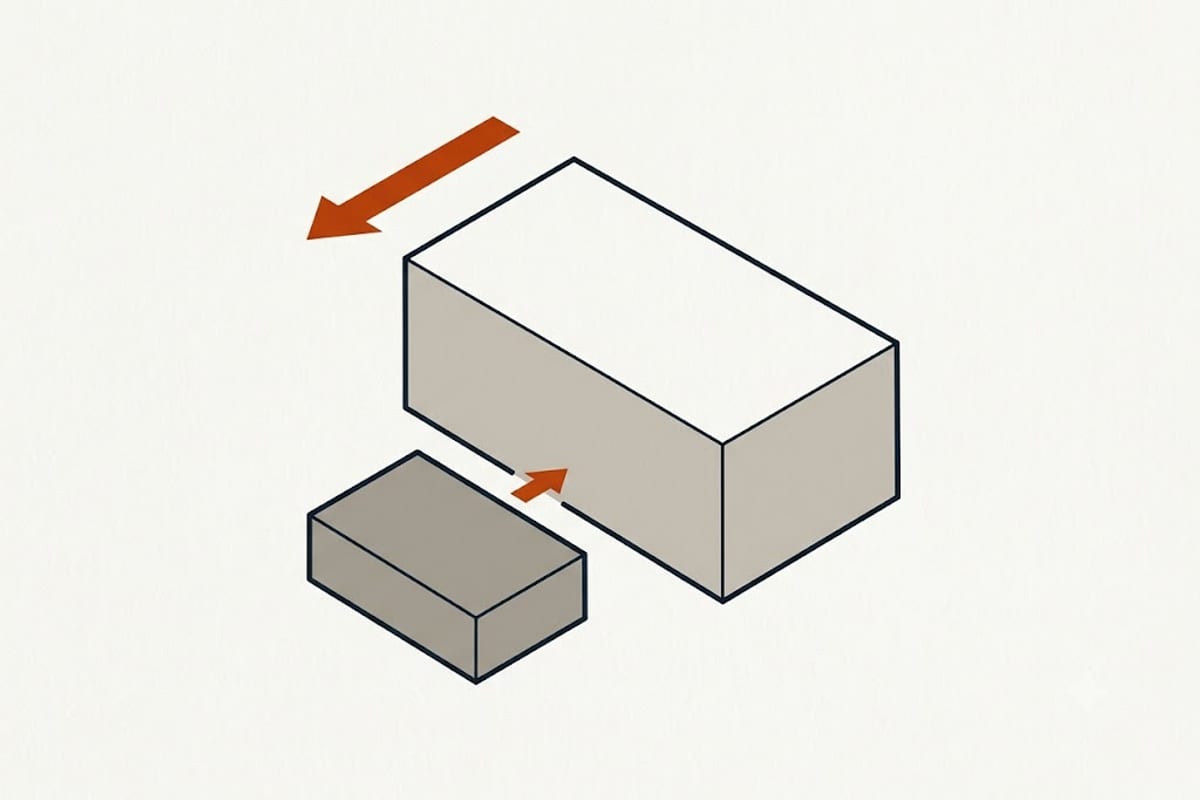
The electric resistance backup — strip heaters in the air handler — which engages below the balance point and during defrost. These are typically 5 to 20 kW, in stages, and they draw exactly what they are rated for with no modulation.
A house with 15 kW of strip heat has, in that one appliance, more demand than many generators produce.
Why it is worst during an outage
The balance point is reached in severe cold. Severe cold is when ice and wind bring down lines.
So the strip heat is engaged precisely when the generator is running, and a household that sized the generator against the heat pump alone discovers this on the first cold-weather outage.
The approaches
Lock out the strip heat during generator operation. The house runs on the heat pump alone and drifts a few degrees on the coldest nights. Acceptable in a moderate climate; not in a severe one.
Shed the strip heat in stages. A shedding module allows one stage rather than all, which gives partial backup heat within the generator's capacity.
Size the generator for one stage of strip heat rather than all of it, in combination with the above.
Keep a fuel-burning heat source — a gas fireplace, a wood stove, a retained furnace in a dual-fuel arrangement — which removes the problem entirely by not putting the heating load on the generator.
Size for the whole thing, which for a house with substantial strip heat means a large generator and is the expensive answer.
Dual fuel is the clean solution
A heat pump with a gas furnace as its backup puts the cold-weather heating load onto gas rather than electricity.
The generator then supplies the furnace blower and controls — a few hundred watts — instead of fifteen kilowatts of resistance heat.
For a household in a cold climate installing both a heat pump and a generator, this arrangement is worth considering as one decision rather than two.
Defrost
A heat pump in heating mode periodically reverses to clear frost from the outdoor coil, and it usually engages strip heat during that cycle to avoid blowing cold air into the house.
That is a short, repeated demand, and it has to be within the generator's capacity or accepted as a period of cool supply air. Some controls allow defrost strip heat to be disabled, which trades comfort for capacity.
The cooling side
Air conditioning on the same equipment is a summer problem with the same shape: a compressor with a starting surge, on a generator.
An inverter heat pump helps here too, since it starts gently. A single-stage unit benefits substantially from a soft starter, which is cheap relative to the generator size it saves.
The load list to build
Heat pump running and starting watts, from the nameplate. Each strip heat stage and its rating. The air handler blower. Defrost behaviour.
Then decide, explicitly, how much backup heat the household wants during an outage — because that single decision moves the generator size more than everything else in the house combined.
Testing it in the season it matters
An annual simulated outage in summer proves very little about a winter one.
The useful test is on a genuinely cold day: turn off the main, let the generator take the house, and watch what happens when the thermostat calls for backup heat.
That is the only way to find out whether the shedding arrangement behaves as intended, and it is a half-hour exercise that answers the question the whole installation exists for.