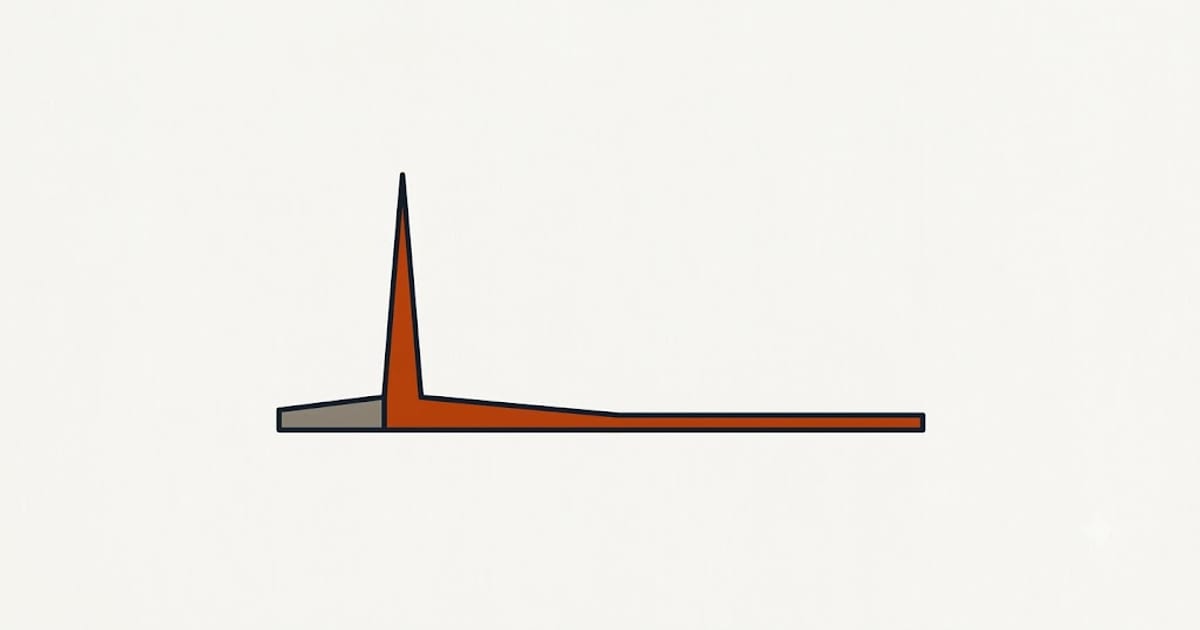
Yes, and it is one of the most common reasons people buy a generator at all — no power means no water, and on a well that includes no toilet.
The catch is that a well pump is a motor, and motors ask for far more at the instant they start than they use afterwards.
The two numbers
| Pump | Running watts | Starting watts |
|---|---|---|
| ½ hp submersible | ~800 | ~2,000 |
| ¾ hp submersible | ~1,000 | ~2,600 |
| 1 hp submersible | ~1,300 | ~3,600 |
| 1½ hp submersible | ~1,900 | ~5,200 |
| 2 hp submersible | ~2,500 | ~6,800 |
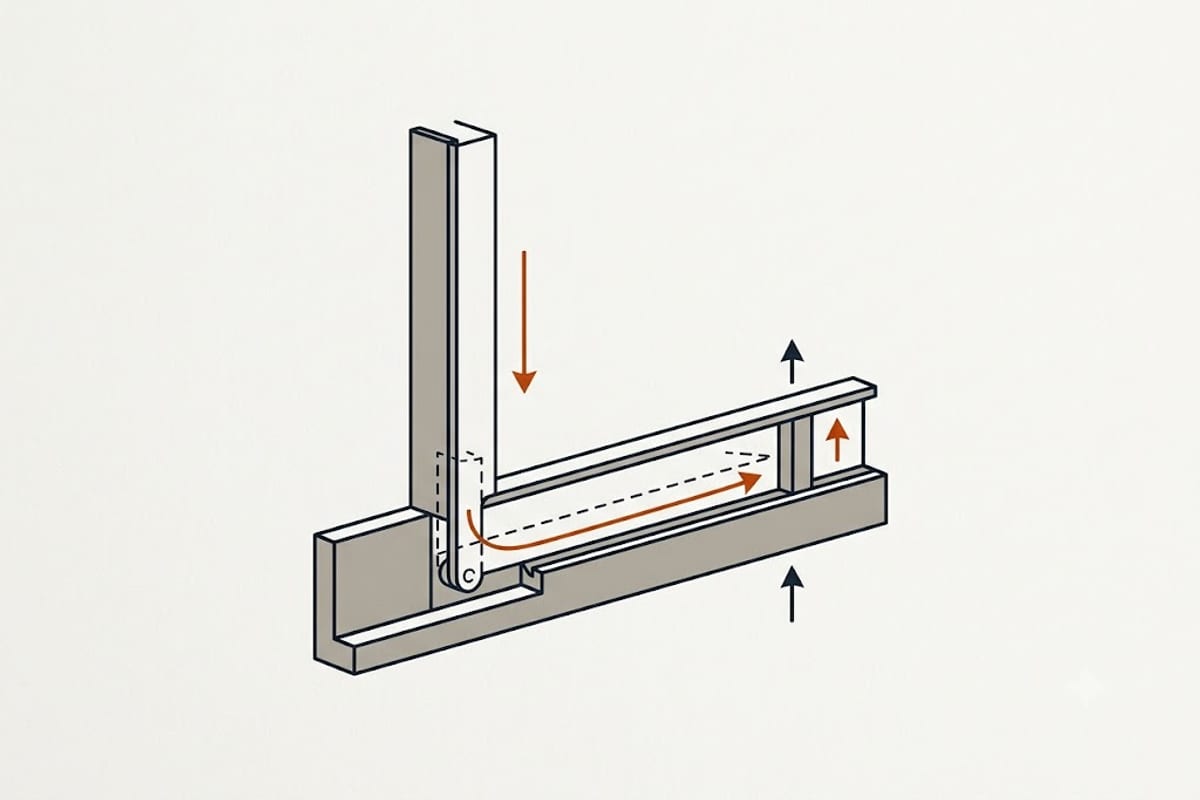
The surge lasts under a second, but the generator has to deliver it or voltage sags — and a sagging supply is what burns out the pump motor you were trying to keep running.
Sizing rule
Take the running watts of everything you want on at once, then add the starting surge of the largest single motor.
Surges do not add together, because two motors essentially never start in the same instant. Adding every appliance's starting figure produces a number about twice what the house needs.
For a ¾ hp pump plus a fridge, a furnace blower and some lights:
- running: 1,000 + 700 + 800 + 500 = 3,000 W
- plus the pump's extra starting draw: 1,600 W
- peak ≈ 4,600 W
A 5,000 W portable or a 7 kW standby covers it comfortably.
Portable generators: the wiring is the real question
A submersible pump is hard-wired at 240 V. You cannot plug it into anything.
That leaves two legitimate routes:
A transfer switch or an interlock kit at the panel. This is the correct answer: a mechanical interlock that makes it impossible to have utility and generator connected at once, with a proper inlet on the outside wall. A few hundred dollars plus an electrician.
A generator with a 240 V outlet feeding that inlet. Note the outlet type — a 30 A L14-30 delivers 7,200 W maximum; a 50 A outlet delivers more.
What is not legitimate: a double-male "suicide cord" into a dryer outlet. It backfeeds the utility line, which can kill a lineman working to restore your power, and it leaves the generator's own terminals live and exposed. Every year somebody dies this way.
Two things that shrink the generator you need
A soft starter on the pump cuts inrush by roughly two thirds for a couple of hundred dollars. On a house whose peak is set by the well pump — which is most well houses — that frequently drops a whole generator size and pays for itself immediately.
A large pressure tank. A well-sized tank means the pump starts far less often, so during an outage you can run the pump deliberately to refill and leave it off the rest of the time. It also reduces short cycling in normal use, which is what wears pumps out.
Do not forget the pressure tank's own state
If the tank is waterlogged, the pump starts every time anyone opens a tap — during an outage that is the worst possible behaviour, and it multiplies both fuel use and surge events.
Tap the tank: hollow at the top, dull at the bottom, with a clear change where the water sits. Dull all the way up means the bladder has failed. Press the air valve on top with the system depressurised; water coming out means replace it.
Fixing a $400 pressure tank is frequently cheaper than the extra generator capacity needed to live with a broken one.