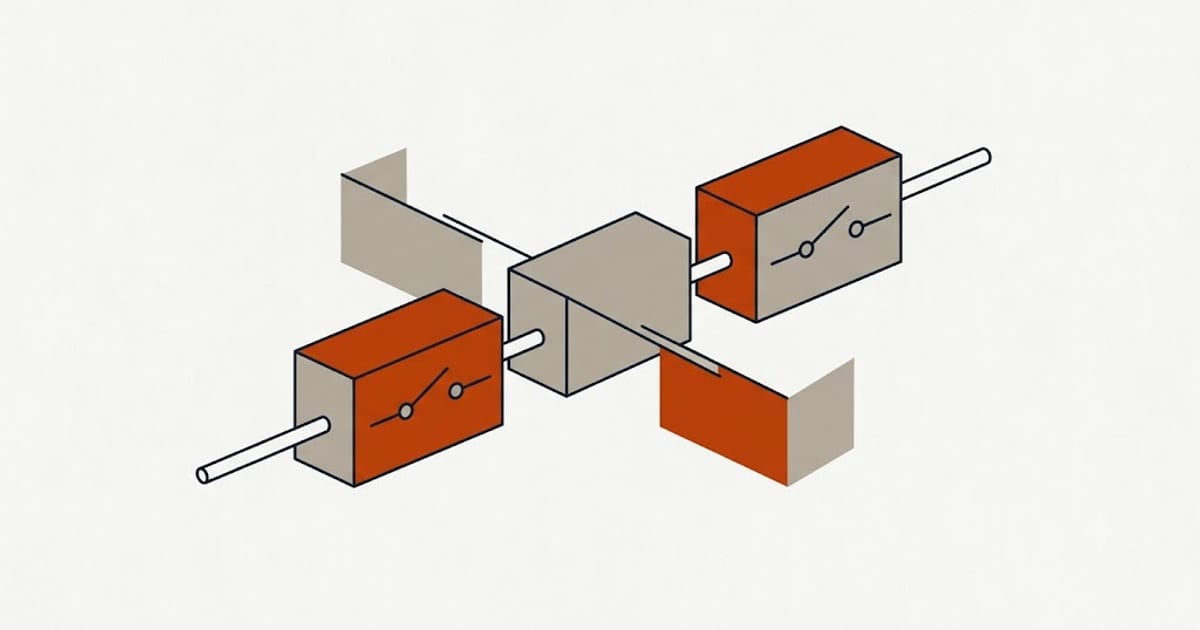
A transfer switch can be installed in two places relative to the main panel, and which one applies changes the equipment and the work.
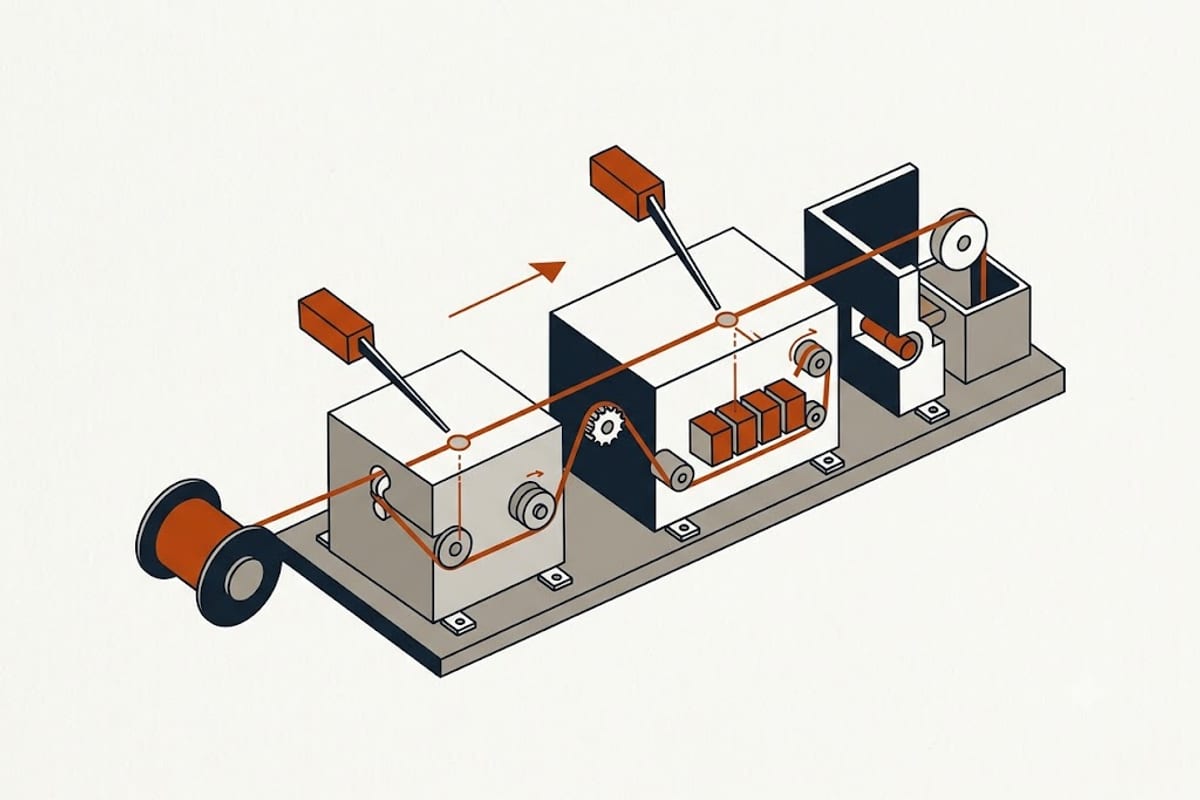
Service-rated
A service entrance rated transfer switch includes the service disconnecting means and the required overcurrent protection.
It is installed between the meter and the panel, and it becomes the service disconnect for the house.
Used when: the existing panel has no separate main disconnect ahead of it, or the installation is being arranged so the generator supplies the whole service.
Consequence: the neutral and grounding arrangement at the switch and at the panel changes, since the bonding point moves to the switch.
Non-service-rated
An ordinary automatic transfer switch installed downstream of the main panel, either switching the whole panel through a feeder or feeding a backup subpanel.
Used when: the service disconnect already exists elsewhere, or the installation backs up an essential-circuit subpanel.
Consequence: simpler in some houses and it requires the panel to have a spare position or a suitable feed arrangement.
Which one an installation needs
It depends on the existing service arrangement — whether there is a separate main disconnect, where the meter is, and whether the backup is whole-house or essential circuits.
It is not a preference. The installer determines it from the existing equipment, and it is worth asking which is proposed and why, because it is one of the differences between two quotes that otherwise look identical.
The neutral question
This is where transfer switch installations go wrong, and it has a specific right answer per installation.
A generator connected as a separately derived system has its neutral bonded at the generator, and the transfer switch must switch the neutral.
A generator connected as a non-separately derived system has its neutral solidly connected through to the service, must not be bonded at the generator, and the switch does not break the neutral.
Getting this wrong produces one of two faults: two bonding points, which puts load current on the grounding system, or none, which leaves the generator's output ungrounded during operation.
The installation manual for the generator and the switch states which arrangement applies, and it is a question an installer should answer without hesitation.
Sizing the switch
The switch is rated for the service or feeder it carries, not for the generator.
A 200 amp service uses a 200 amp switch even when a 22 kW generator supplies it, because the switch has to carry the full utility current when the house is on utility power.
Whole-house through a switch smaller than the service
Where the backup is an essential-circuit subpanel, the switch is rated for the subpanel's feeder rather than the whole service, which is smaller and cheaper.
That is a legitimate reason essential-circuit installations cost less, on top of the smaller generator.
What to confirm
The switch's rating and whether it is service entrance rated. Whether the neutral is switched, and whether the generator is bonded accordingly. Where it will be mounted, and whether that location meets working clearance requirements.
All three are inspection items, and all three are cheaper to establish before the equipment is on the wall.
Outdoor or indoor
Transfer switches come in indoor and outdoor rated enclosures.
An outdoor unit beside the meter is common and convenient, and it is exposed to weather and to whoever walks past. An indoor unit in a basement or garage is protected and needs the conductors brought inside.
Either is acceptable where the enclosure rating matches the location, and the same working clearance rules apply as to any panel — including the requirement that the space in front stay clear, which an outdoor switch beside a driveway tends not to.
Timers and delays
An automatic switch has several deliberate delays: a delay before starting on utility loss, so a momentary blink does not start the engine; a warm-up delay before transferring; a delay before transferring back; and a cool-down run after the load is returned.
These are adjustable within limits and they are worth understanding, because a household unfamiliar with them reads the cool-down run as a fault — the power is back and the generator is still running.