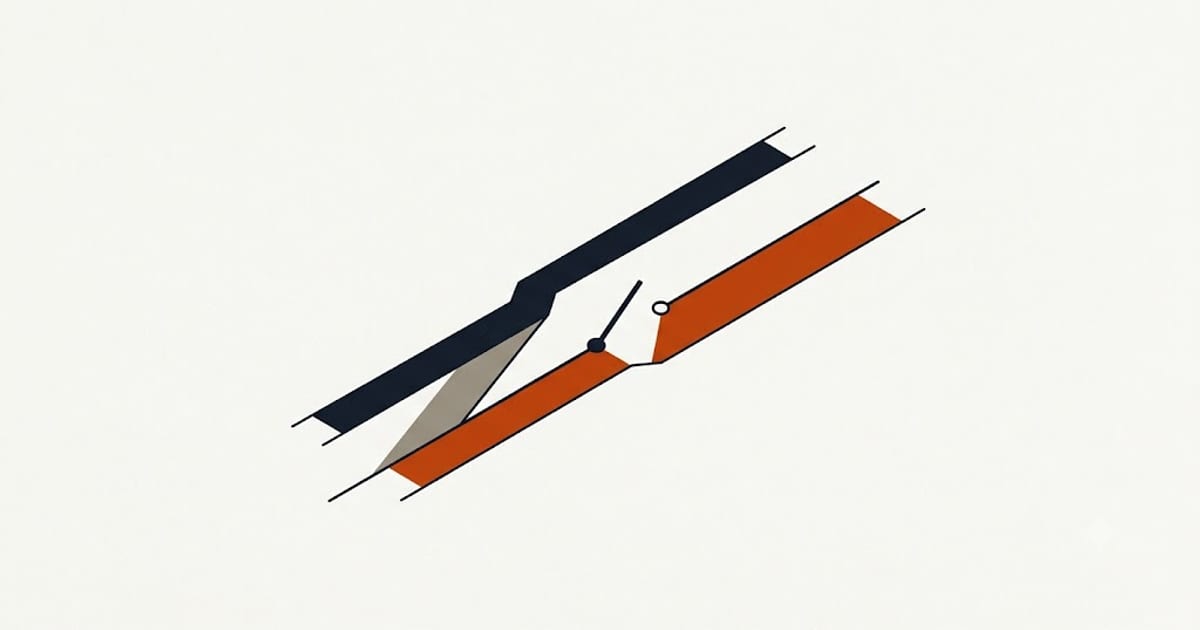
A generator connected to a house must be electrically isolated from the utility. There is no acceptable arrangement that relies on remembering.
Why it is non-negotiable
If a generator feeds the house while the utility connection is intact, it energises the service conductors and, through the transformer, the utility line at high voltage.
Utility crews working on a line they have de-energised are killed by this. It is the reason backfeeding through a receptacle with a double-ended cord is both illegal and lethal, and there is no version of it that is safe.
Automatic transfer switch
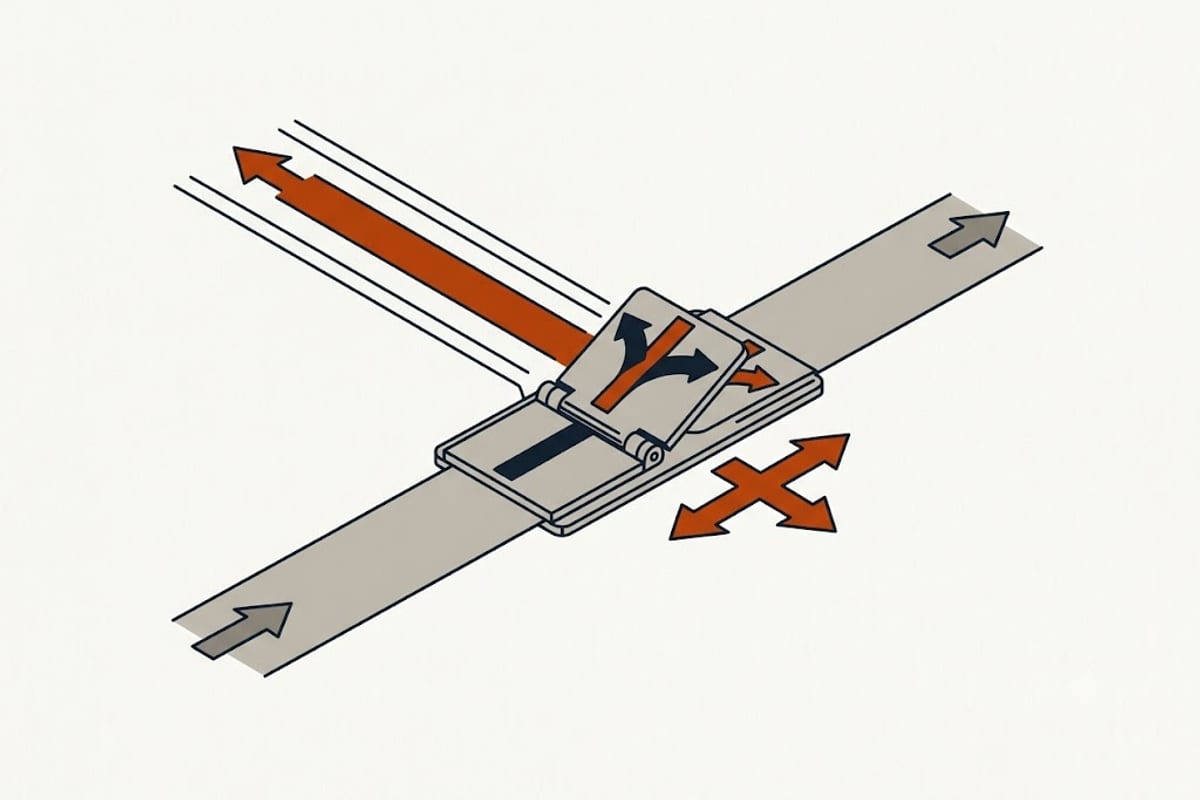
A switch that senses utility loss, signals the generator to start, waits for it to stabilise, and transfers the load. On restoration it transfers back and lets the generator cool down before stopping.
The standard for a standby installation. It works with nobody home, at night, and during a storm.
Service-rated versions incorporate the service disconnect. Non-service-rated versions sit downstream of the main panel.
Manual transfer switch
A switch operated by hand, transferring either the whole service or a set of circuits to the generator.
Cheaper, and it requires somebody present and awake. Suited to a portable generator arrangement where a person is going to start the generator anyway.
Common form: a small subpanel with six or ten circuits and individual switches, plus an inlet on the outside wall.
Breaker interlock kit
A mechanical plate fitted to the panel that makes it physically impossible to have the main breaker and the generator backfeed breaker on at the same time.
Cheapest of the three and entirely legitimate, provided the kit is listed for that specific panel. A homemade plate is not.
It gives access to every circuit in the panel rather than a selected few, with the household managing the load manually. That is its advantage and its requirement.
The inlet
A portable generator connects through a power inlet box on the exterior wall — a receptacle wired to the transfer equipment — using a suitably rated cord.
Never through an ordinary receptacle, and never with a cord that has a male plug at both ends. Such cords are sold and they are a way to be electrocuted.
Whole-house or essential circuits
Whole-house transfer switches the entire service. Simplest to live with, and it needs either a large generator or load shedding.
Essential circuit transfer switches a subpanel containing chosen circuits. Cheaper equipment and a smaller generator, and the household lives with only those circuits.
The decision belongs with the generator sizing, since the two determine each other.
What has to be in the switch
The neutral handling matters and it is where installations go wrong.
A separately derived system requires the neutral to be switched and the generator neutral bonded; a non-separately derived system requires the neutral to remain solidly connected and the generator neutral not bonded.
Which applies depends on the generator and the switch, and getting it wrong compromises the grounding system and can cause GFCI devices to misbehave. It is a question for the installer and it should have a specific answer.
Permits
Transfer equipment is permitted and inspected work, and it involves the service.
The utility also generally wants to know a generator is installed. Both are ordinary, and neither is optional.
Exercise and monitoring
A standby generator with an automatic switch runs a weekly or biweekly exercise cycle, typically for a few minutes, to keep the engine and the battery in condition.
That exercise is the only thing that finds a flat battery or a fuel problem before an outage does, and it is the reason a standby installation is far more likely to work than a portable generator kept in a garage.
Most current controllers also report status to a phone, which turns a failed exercise cycle into a notification rather than a discovery.
The battery
The single most common reason a standby generator fails to start is its starting battery.
It is an ordinary lead-acid battery with an ordinary life of a few years, and it is on the maintenance schedule for exactly that reason. Replacing it on schedule is the cheapest reliability measure in the whole system.