A manual transfer arrangement — a switch or a panel interlock with an exterior inlet — requires a person, and the order they do things in matters.
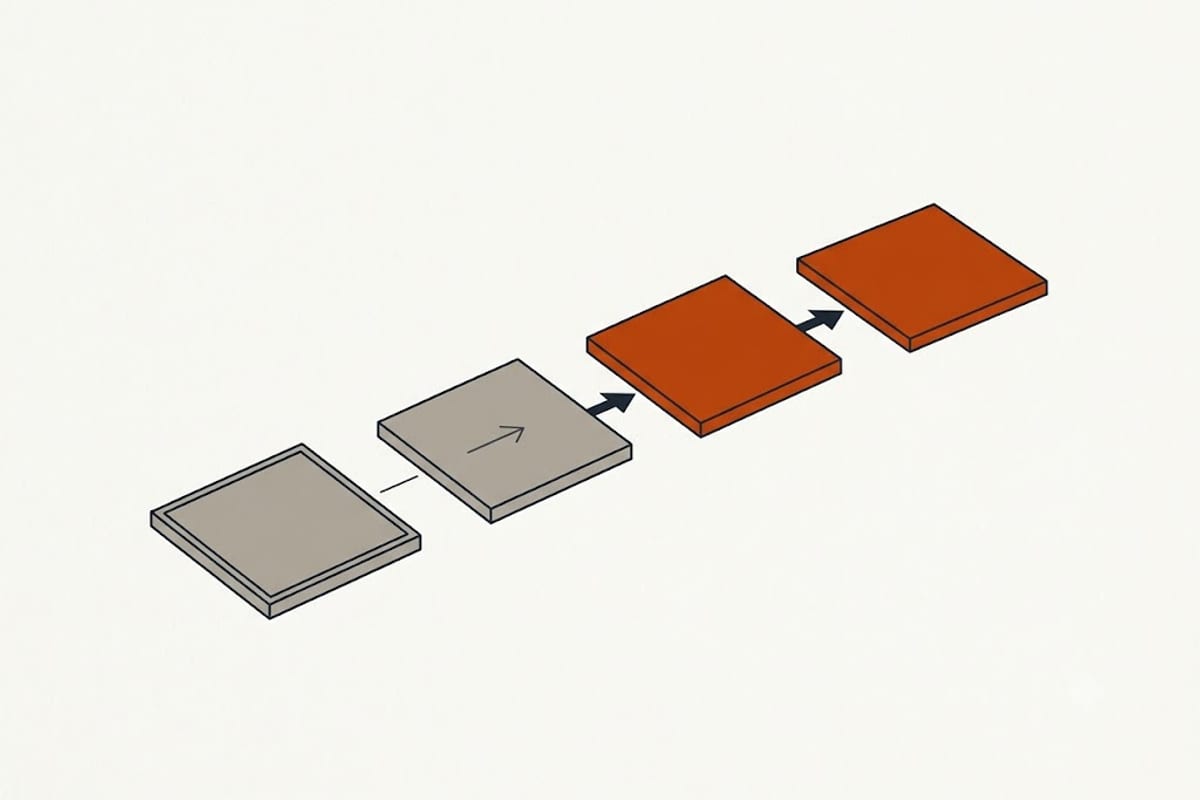
Starting up
1. Position the generator. Outside, at least twenty feet from the house, exhaust directed away from windows, doors and vents — including the neighbours'. Never in a garage, a porch, a breezeway or a shed, with or without the door open.
2. Connect the cord to the inlet box and to the generator, with a cord rated for the load and in good condition.
3. Start the generator with no load on it, and let it warm up and stabilise.
4. Turn off the main breaker, or move the transfer switch to the generator position. On an interlock, the main comes off before the generator breaker can go on — that is the point of the plate.
5. Turn on the generator breaker or complete the transfer.
6. Bring circuits on one at a time, largest first, letting each settle before adding the next.
Starting a generator under load is hard on it, and switching a large load onto a running generator all at once is how a controller trips.
Managing the load
With an interlock, the whole panel is available and the household manages the load by which breakers are on.
Keep a written list on the panel of what to run and what to leave off, and stick to it. The most common failure is somebody turning on a range or a dryer without thinking.
Watch for the surge. A well pump or a refrigerator starting while the generator is near its limit is what shuts it down.
When utility power returns
1. Turn off the circuit breakers for the large loads.
2. Turn off the generator breaker, or move the transfer switch back to the utility position.
3. Turn the main breaker back on.
4. Let the generator run unloaded for a few minutes to cool, then stop it.
5. Disconnect the cord and store the generator.
Stopping a hot engine abruptly under load shortens its life, and reconnecting the main before the generator is isolated is exactly what the interlock prevents.
Refuelling
Shut the generator down and let it cool. Petrol on a hot engine or exhaust is the way generator fires start.
Store fuel outside the house, in approved containers, and rotate it — petrol degrades in months without treatment.
The rules that have no exceptions
Never backfeed through a receptacle. A cord with a male plug at both ends is sold, and it energises the service, and it kills utility workers and the person holding it.
Never run a generator indoors, in any form of enclosed or partly enclosed space.
Never bypass the interlock or the transfer switch.
Write it down
The sequence above, on a laminated card, taped inside the panel door or beside the inlet box.
An outage happens in the dark, in bad weather, possibly with a different member of the household doing it than the one who read the manual. The card is the difference between an arrangement that works and one that works when a specific person is home.
Practise once a year
Run the whole sequence on a calm afternoon: connect, start, transfer, load, and back again.
It confirms the generator starts, the fuel is good, the cord is intact, and that everyone who needs to can do it — which is the entire point of having it.
Cords
The cord between the generator and the inlet is rated for the current and the length, and it is a genuine component rather than an extension lead.
Undersized cords heat and drop voltage, and a damaged one outdoors in the wet is a shock hazard. Inspect it each time and store it dry.